CasterU Thumbnail: Choosing Brakes Swivel Locks or Position Locks

Choosing Brakes, Swivel Locks or Position Locks

Customers often ask us whether they should order an integrated wheel and swivel lock or separate brakes and position locks. There are a number of considerations, and it can be complicated. So, in this issue of CasterU, we break down the differences between brakes and swivel locks so that you can make better-informed decisions.

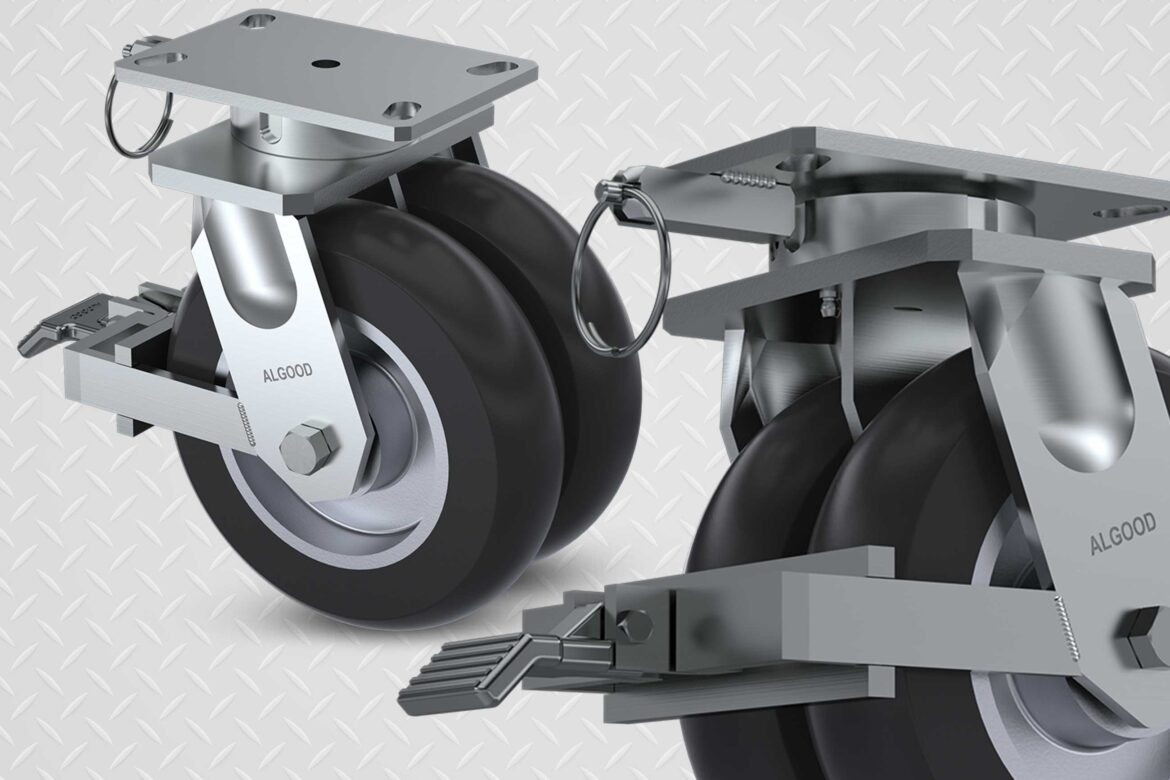
There are times when it’s beneficial to prevent a caster wheel from turning while also preventing the wheel from swivelling. For example, serving carts used on airplanes require added stability to protect them from turbulence. For lighter capacities (under 1,500 lbs), our iLock™ wheel with directional lock or our DLB – double-locking brake are ideal solutions.

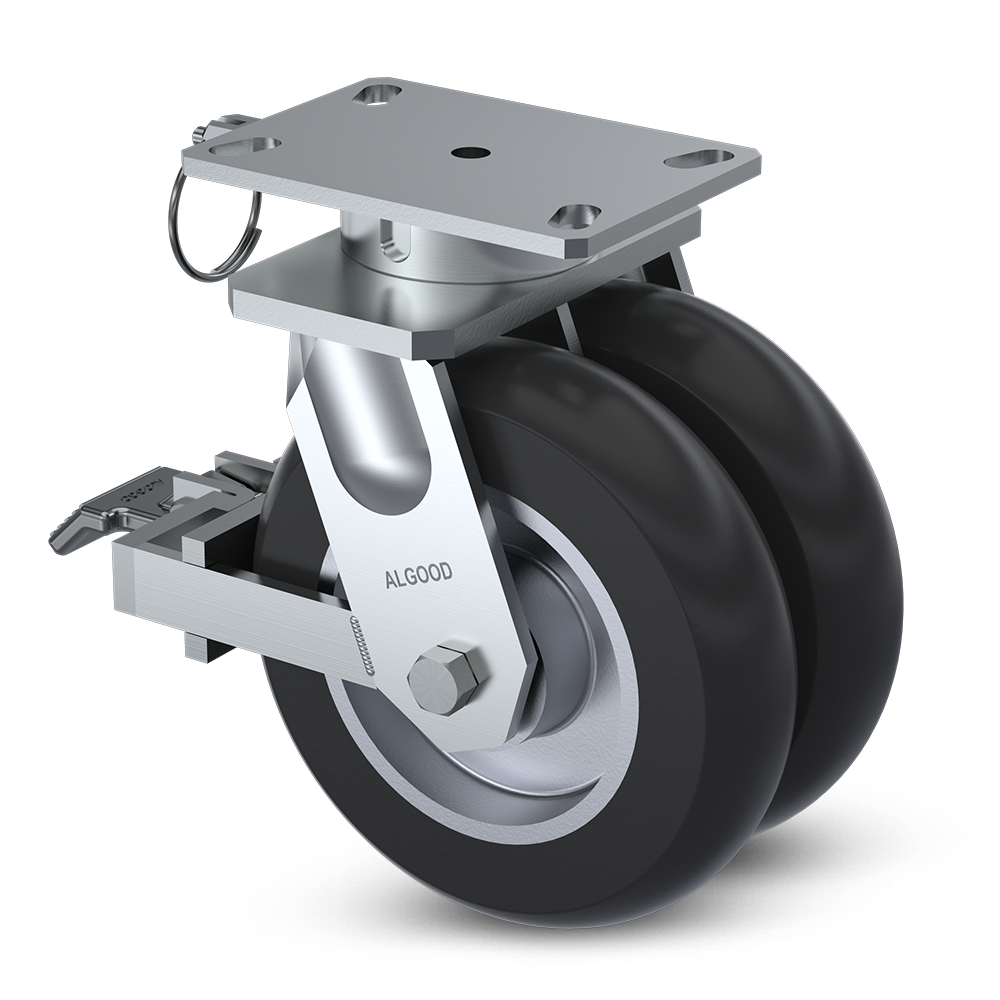
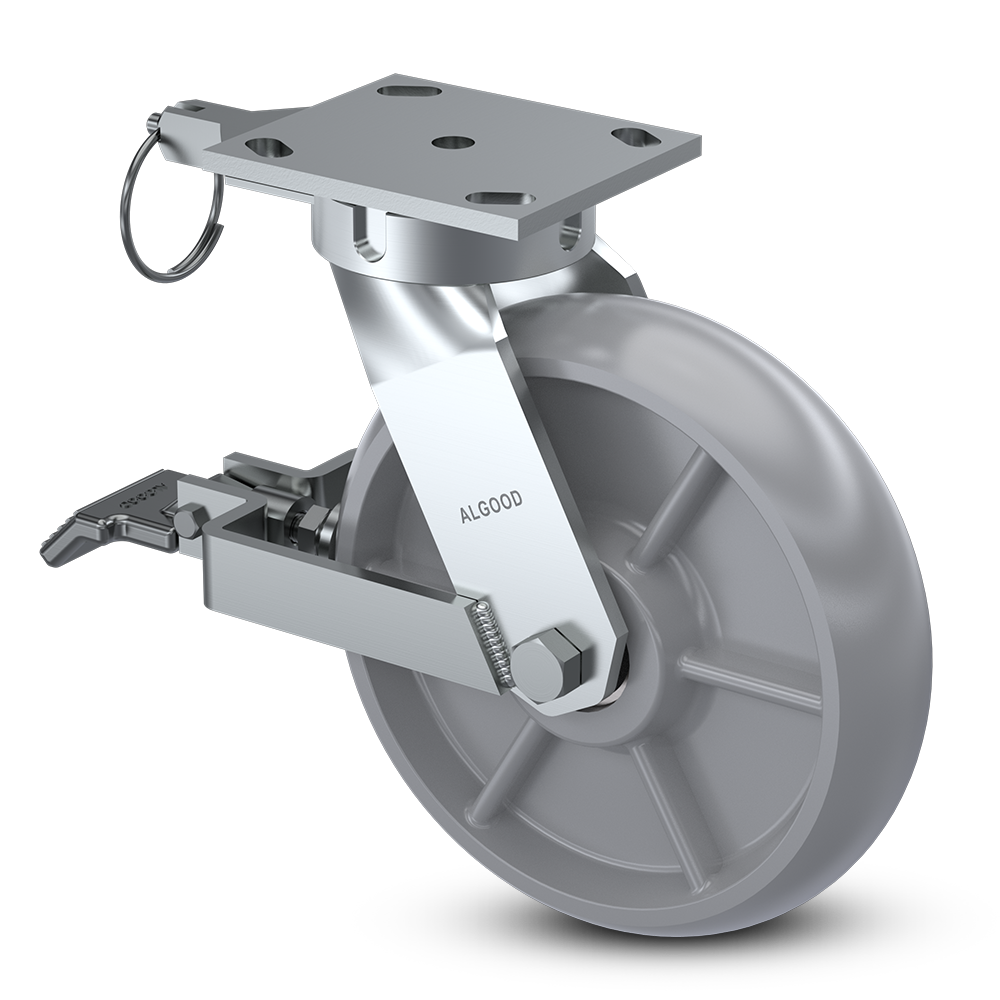
However, there are applications with larger capacities that require both a swivel lock and a brake. Brakes apply friction to the wheel to prevent the caster from moving, while swivel locks keep a caster from swivelling.

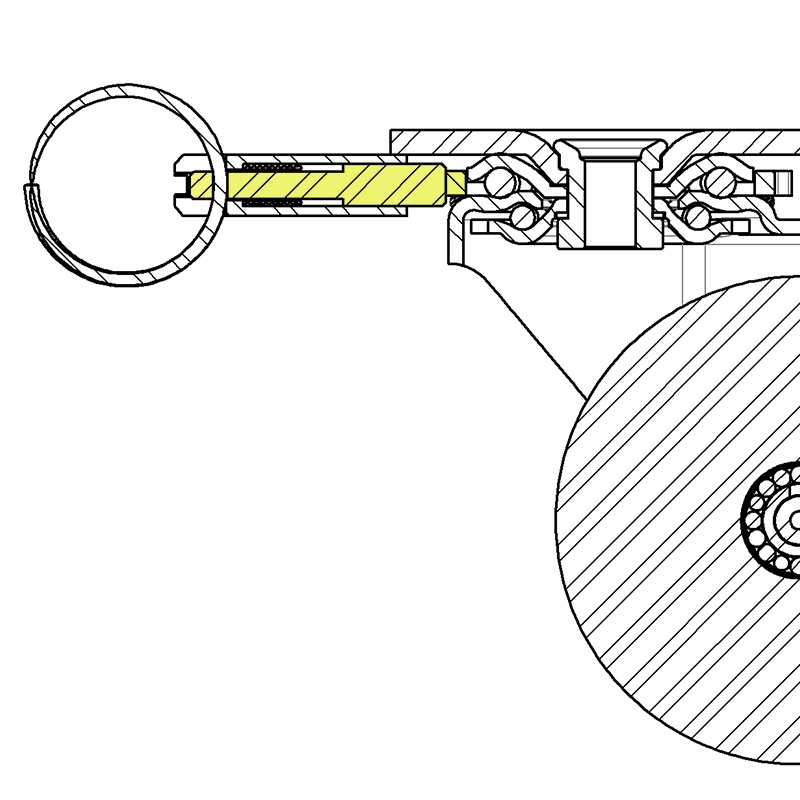
Essentially, a swivel lock converts a swivel caster into a rigid unit. A hand-operated plunger engages with a notch in the raceway to prevent the caster from swiveling. A 4-position swivel lock can be engaged at any 90-degree interval. The swivel lock mechanism can be purchased pre-welded to the top plate or with wings that secure the PSL to the plate when using mounting bolts.

Wheel locks offer operators greater flexibility when moving and positioning carts and equipment. They enable movement over long distances, where two rigid casters and two swivel casters are ideal. With the wheel locks disengaged, the equipment can then be easily maneuvered in tight spaces or precise positions. Additionally, wheel locks enhance safety in situations that require absolute immobility and control. They also provide added stability by eliminating the flutter often associated with rigid casters.

Wheel locks are particularly beneficial for heavy loads where the weight makes it difficult to engage a double locking brake easily. Capacities of 2,500 lbs. or more are especially appropriate. Common applications include food processing, automotive carts and aeronautic engine cradles. We custom-manufactured a caster featuring both horizontal and vertical wheel locks to transport jet engines. Other uses encompass medical equipment where precise positioning is vital (e.g., surgical equipment).

The decision regarding which brake or position/swivel lock to order isn’t always clear-cut. But what is absolutely certain is that our brakes and locks are manufactured with the precision and quality you can trust. You can also be sure that we are here to help you configure and implement the best possible caster solutions. Contact your local Algood representative or a member of our customer service team.

Algood Product Spotlight: ICE Wheel Series

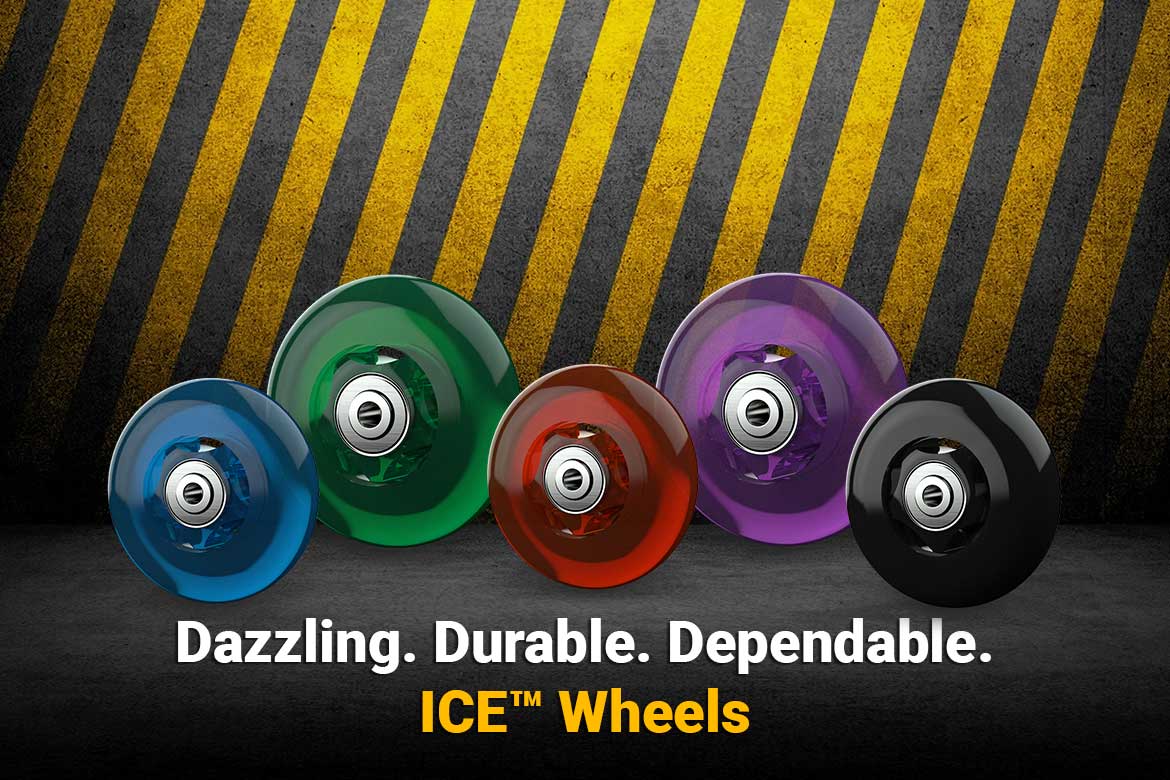
ICE™ Wheels. Dazzling. Durable. Dependable.

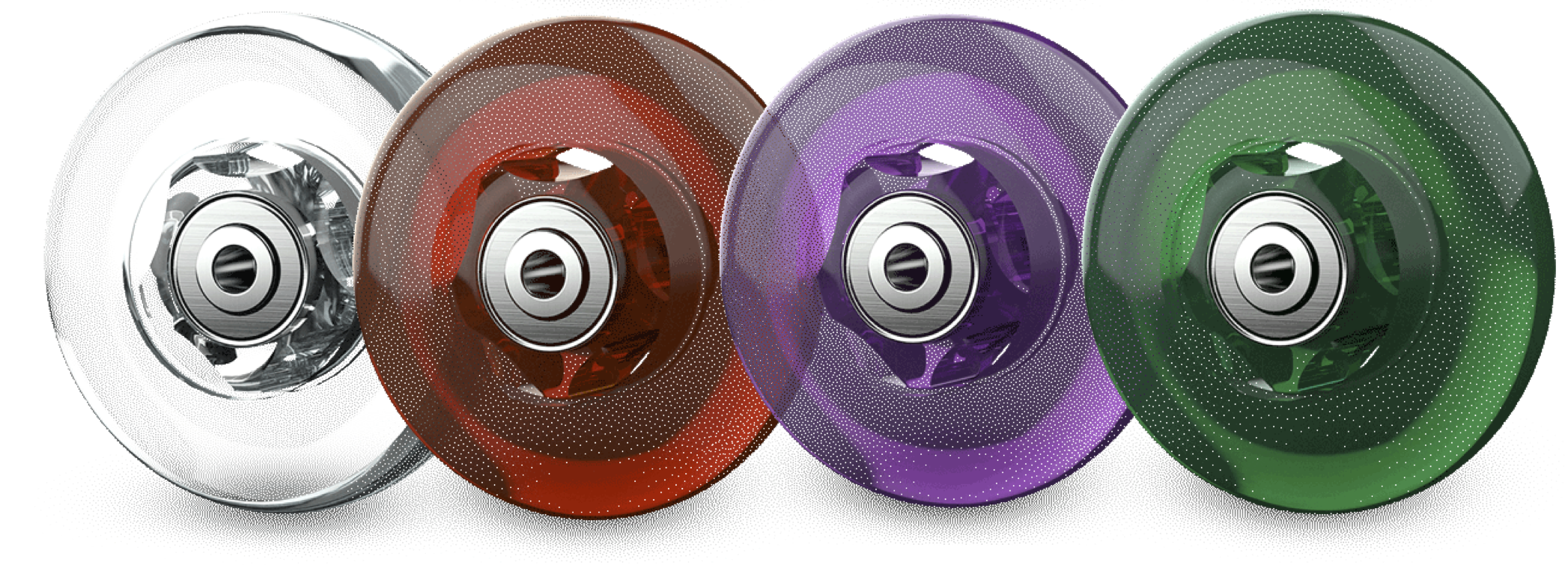
Algood’s ICE™ Wheels elevate the visual appeal of any equipment or environment while providing unparalleled performance. With a palette of eight striking standard colors and the flexibility to tailor custom-matched hues, these are the ultimate in designer wheels.

Crafted through a meticulous process, ICE™ Wheels feature a poured urethane construction, mechanically and inseparably bonded to a polyolefin core. This fusion of materials ensures unwavering durability to go along with visual appeal.

ICE wheels offer exceptional rollability, a cushioned ride, outstanding floor protection, and will not flat spot under standing loads. They are non-marking, compatible with almost all surfaces, resistant to most chemicals, and built for longevity. 

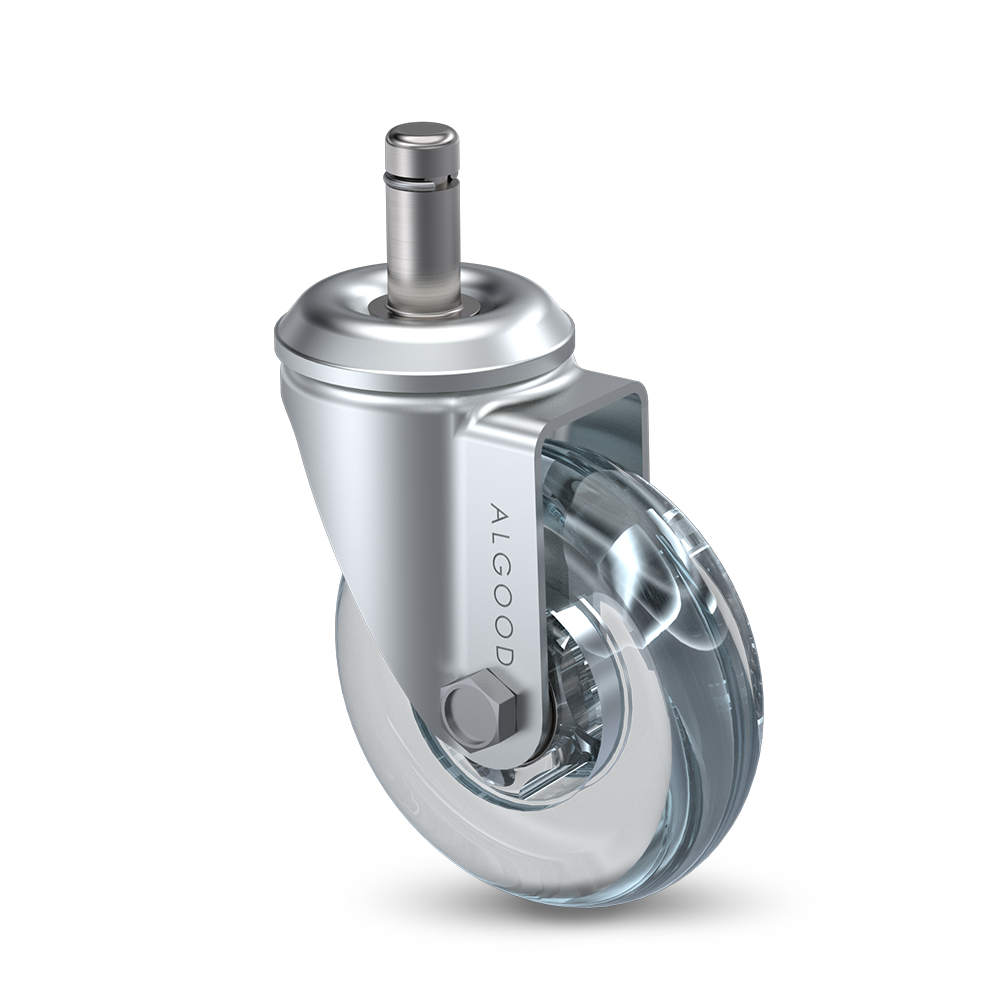
ICE wheels are compatible with our 800 and 900 series casters and are available in three sizes with capacities of 80 or 100 lbs. Lightweight and economical, ICE wheels are the perfect choice for retail displays, showrooms, store fixtures or any design-dependent application.

Choose ICE™ Wheels, where form meets function and good looks meet great performance paired with outstanding longevity. To discuss how ICE wheels can be suited to your application or environment, contact your local Algood representative or a member of our customer service team.

Thumbnail for Blog: Manufacturing Custom Solutions and High-Volume Runs: The Algood Approach

Custom Solutions and High-Volume Runs: The Algood Approach

When you’ve been in the caster manufacturing industry as long as I have, you learn one fundamental truth: success isn’t just about making a great product; it’s about making the right product at the right time—whether that means delivering a one-off custom caster or ramping up to mass production without missing a beat. At Algood, we’ve built our reputation by mastering the balancing act between customization and high-volume production without sacrificing the craftsmanship that sets us apart.

Customization and mass production are often viewed as opposites—one requiring flexibility, the other demanding efficiency. Many manufacturers see a zero-sum game where they must choose one over the other. At Algood, we reject that notion. We seamlessly integrate both custom solutions and high-volume production, delivering outstanding lead times and dependable delivery dates without sacrificing quality or craftsmanship.

Achieving this balance is no easy feat. It requires precise production planning and real-time adaptability. Our teams meet daily to refine production schedules and weekly to strategize engineering adjustments. Good lead hands—experienced professionals overseeing the manufacturing process—ensure that smaller custom jobs fit into our workflow without disrupting large-scale production runs. It’s a juggling act we’ve perfected into an art form.

Our ability to accommodate both custom and high-volume runs is directly linked to our fully integrated manufacturing facility. With an expert design and engineering team, an in-house tool and die centre, full stamping, injection molding, and CNC capabilities, as well as robotic welding and assembly—all under one roof—we possess both the production power and the castersmith expertise to meet our customers’ unique requirements. By investing in state-of-the-art equipment and the highly skilled personnel, we stay ahead of the curve and ready to scale production at a moment’s notice.

Many suppliers struggle with integrating custom manufacturing runs due to scheduling complexities or financial constraints. Custom solutions demand more time, skilled labor, and engineering expertise. However, at Algood, we put our customers at the center of our decision-making. Whether they need a small-run custom caster or thousands of pieces straight from our catalogue, we find a way to make it happen without compromising on quality or efficiency.

Customers often face the dilemma of choosing between a lower-cost, off-the-shelf caster and a more expensive custom solution. While the former may seem like the economical choice, it can lead to costly breakdowns such as equipment failures, floor damage, and prolonged downtime. We work closely with our clients to ensure they get the best value for their investment—both in performance and long-term cost savings.

Our dedication to meeting customer needs through adaptability is deeply rooted in our commitment to North American manufacturing. We believe customers should have the confidence that their requirements will be met right here in Canada and the U.S. That calls for the ingenuity, craftsmanship and commitment to quality that’s only found on this side of the ocean.

If you’re looking for a partner who understands the delicate balance between customization and mass production, you’ve found it. At Algood, it’s what we do best.

Innovate: The Rigid-Swivel Caster

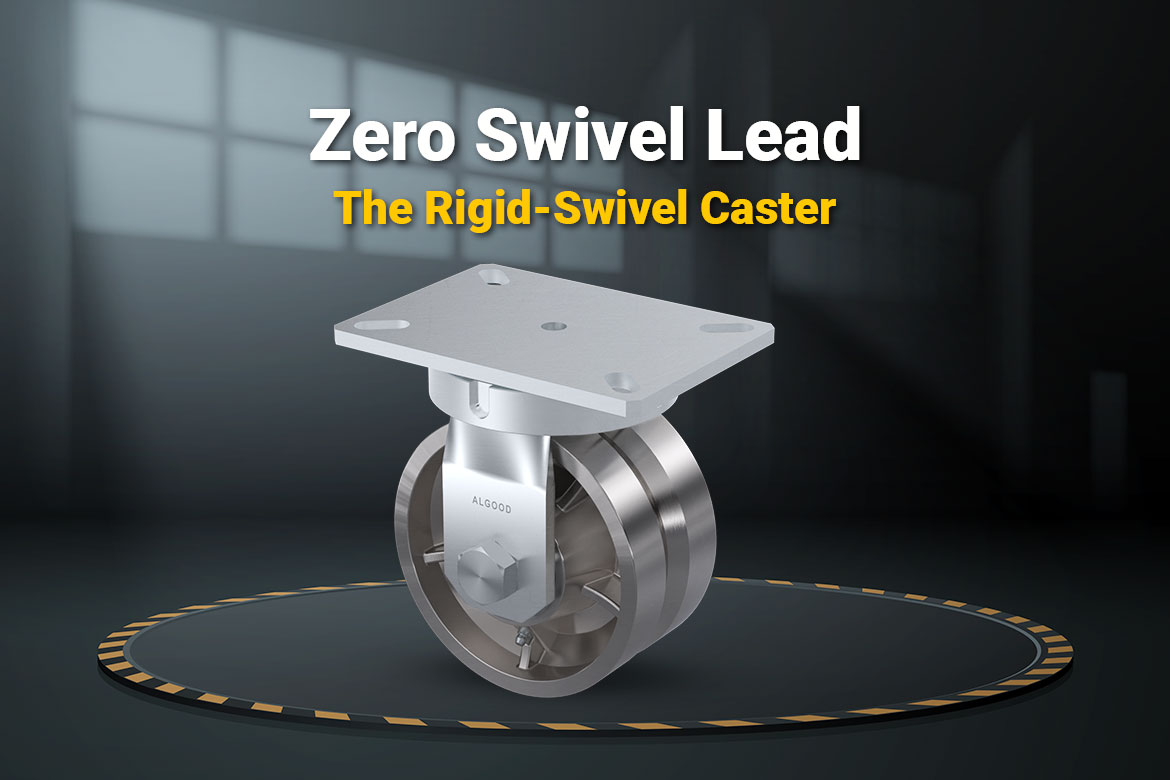
Zero Swivel Lead

The Rigid-Swivel Caster

In the world of industrial mobility, one size rarely fits all. The demand for precision-engineered solutions has never been greater, and when off-the-shelf casters fall short, innovation steps in. Recently, an aerospace manufacturer needed a caster that could navigate tight spaces with absolute control, ensuring the seamless transport of high-value components. Traditional swivel casters lacked control, while rigid casters limited maneuverability—resulting in inefficiencies and misalignment. A solution was required that delivered perfectly controlled movement along fixed tracks without compromising load capacity or durability. That’s where the Zero-Swivel Lead Casters excels—engineered for precision, built for performance.

The Advantage of Zero Swivel Lead

This unique design merges the maneuverability of a swivel caster with the alignment of a rigid caster, making it essential for industries that demand precision and controlled movement. Zero swivel lead casters are primarily engineered for sharp turns, increased maneuverability, and greater stability. These unique casters permit perfect 90º motion in any direction and add capacity because the head is always directly positioned over the wheel.

The design and production of this caster is made possible in Algood’s fully integrated manufacturing facility. Every component—from the robust kingpinless head to the precision-engineered v-groove wheels—is meticulously crafted to exceed industry standards. Our in-house manufacturing capability enables us to create custom solutions tailored to the unique requirements of customers and their engineering teams, across a range of industries.

Sectional/Cut-Through

Typhoon™ Caster with Zero Swivel Lead Sectional

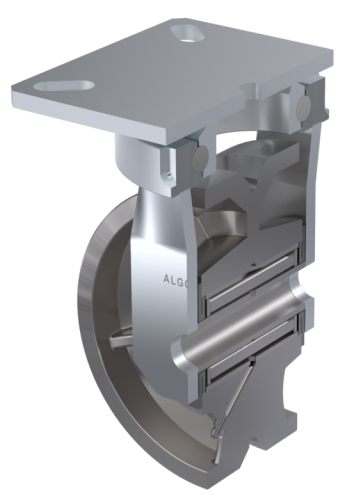
A sectional breakdown reveals this custom casters kingpinless raceway, which eliminates a common failure point, distributing impact forces evenly for exceptional strength and longevity. Unlike standard rigid casters, this custom Typhoon™ Caster is welded 90 degrees to the kingpinless head, allowing it to function as a swivel without a traditional swivel lead. This configuration enables precise 90-degree movement while maintaining structural integrity and load capacity. Paired with a cast iron v-groove wheel, it glides effortlessly on inverted angle iron tracks, delivering continuous, high-performance operation in demanding environments. 

Industries and Applications:

Medical Laboratories – Guides racks seamlessly into autoclaves and sterilization chambers.
Aerospace & Manufacturing – Enhances controlled movement in high-precision environments.
Industrial Conveyor Systems – Ensures smooth, track-guided navigation in production facilities.
Automotive Assembly Lines – Supports material handling and transport in high-efficiency production.
Food Processing – Facilitates safe and controlled wash-down environments where hygiene is essential.

The NyRock™ Advantage: Customization at Its Best

V Groove Wheel: NyRock

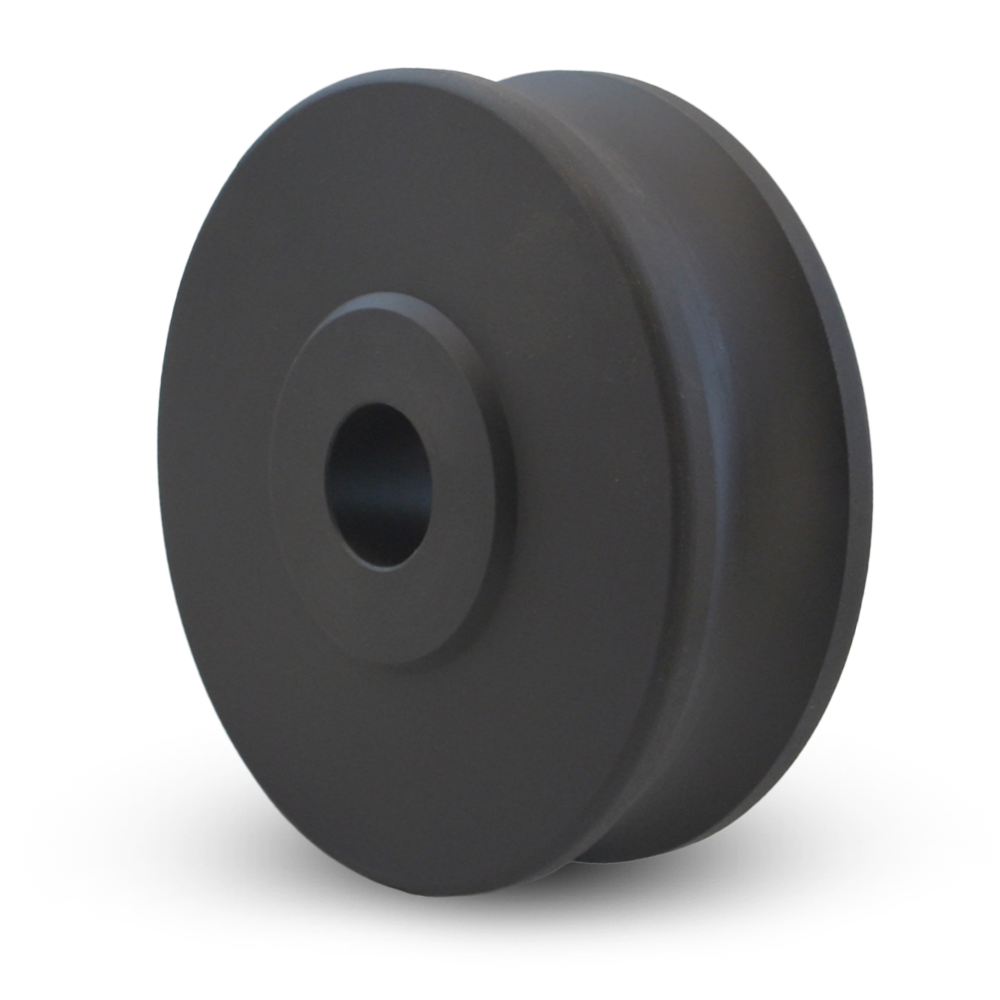
For specialized track compatibility, NyRock™ Wheels offer a customizable, high-performance solution. CNC-machined with customized v-groove or concave finishes, they ensure seamless integration across applications. Built for durability and efficiency, they provide high load capacity, smooth roll-ability, non-marking protection, and resistance to corrosion and moisture, extending equipment life in demanding environments.

Engineering Innovation, Delivered

With a fully integrated North American production facility, industry-leading engineering, and an unwavering commitment to quality, custom caster solutions are available to meet even the most complex operational requirements. We are the industry leader in producing unique caster designs to meet specific requirements. Connect with our team today to discuss your custom caster needs and discover how our innovative solutions can elevate your operations. Experience the Algood difference—where quality meets ingenuity, and your vision becomes a reality.

I’m optimistic about 2025

I consider myself more of a realist than an optimist, but I feel very positive about 2025. There are many reasons to believe the new year will bring economic prosperity. The new administration in the U.S. will significantly impact economic factors, many of which will affect the manufacturing sector. Global trends will also positively influence North American manufacturing. That, combined with several upcoming new developments at Algood, will enable us to do an even better job of meeting our customers’ needs in 2025.

The Canadian and U.S. economies were jagged in 2024, but they are stabilizing and becoming stronger. Interest rates in Canada have come down considerably, and every expectation is that U.S. rates will follow suit. This will fuel investment in manufacturing and other sectors. Anticipated energy policies will decrease the price of raw materials like steel and plastics, allowing North American manufacturers to become more competitive. In the past year, we have seen even more customers move away from offshore suppliers to avoid prohibitive lead times and uncertain supply chain assurances. Now, with the prospect of more favourable pricing, the trend toward reshoring will gain even more strength.

Internally, our R&D efforts are well positioned to meet both broad industry needs and individual customer requirements. In the first quarter of 2025, we will introduce a new full series of casters—the first in many years. These new products have been designed to meet the demands of many of the fastest-growing business sectors.

In addition, our internal design and engineering teams are increasingly developing configurations to meet unique customer specifications. In a growing economy with an increasing emphasis on specialization, this is a critical competency. Because of our ability to meet the needs of both the industry and individual companies, I am very positive about Algood’s ability to stand out in the new year.

Technology is also a reason for optimism. As AI applications and delivery mechanisms improve, businesses are gaining a better understanding of how they can put it to use. 2025 will be the year of AI. It will go from being something fascinating to an essential component of operating a business and will have a broad impact on companies and industries. That, in turn, will add efficiency and broad possibilities for growth to the marketplace.

At Algood, our superior integration of 3D modelling has me feeling very positive. As we introduce even more capacity to the CAD LAB™ on our website, we will empower engineering departments by providing them with access to drawings for thousands of caster configurations. We will increase our use of robots and cobots, enhancing productivity and ensuring we maintain our near-100% quality control rating.

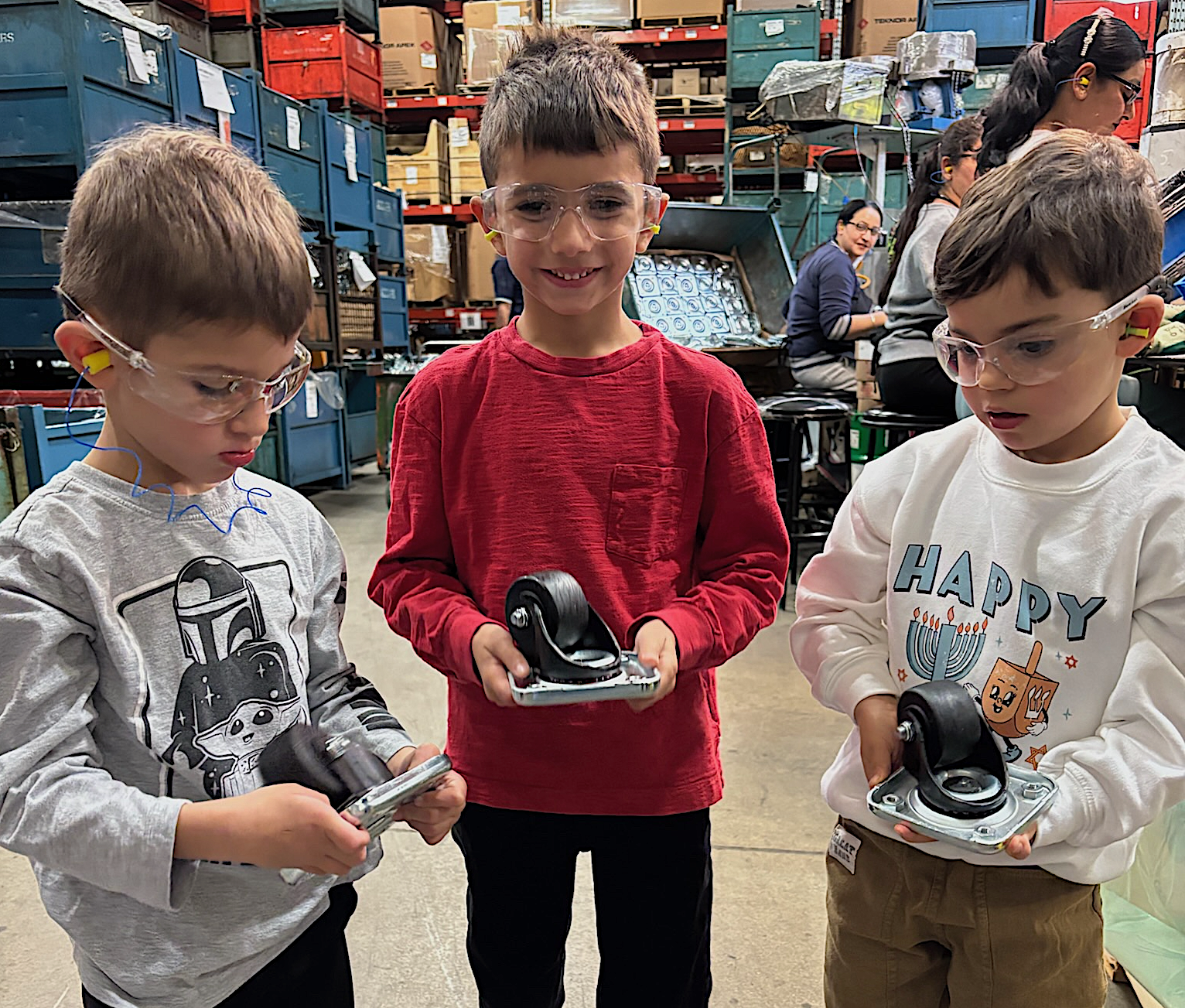
Finally, I’m optimistic about the fourth generation of Guttmanns at Algood. Although Elie, who represents the third generation, has only been at Algood for a few years, my grandsons recently visited our facility and got their first lesson in caster manufacturing. No doubt, the future is secure.

Let me take this opportunity to wish all our customers, distributor partners, suppliers and colleagues all the best for the Holiday Season and the New Year. I hope you share in my optimism for 2025.

Casters that Keep it Level

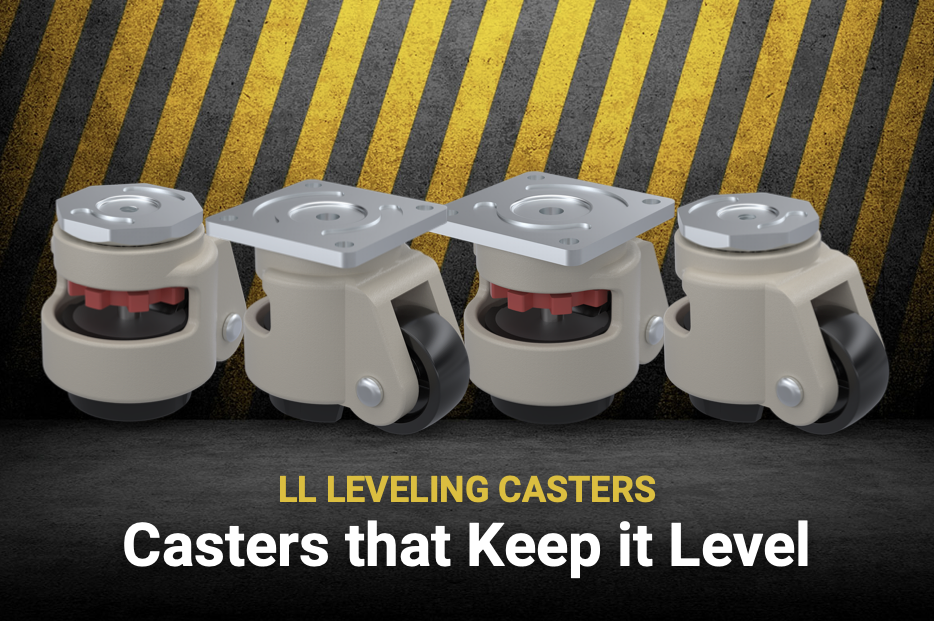
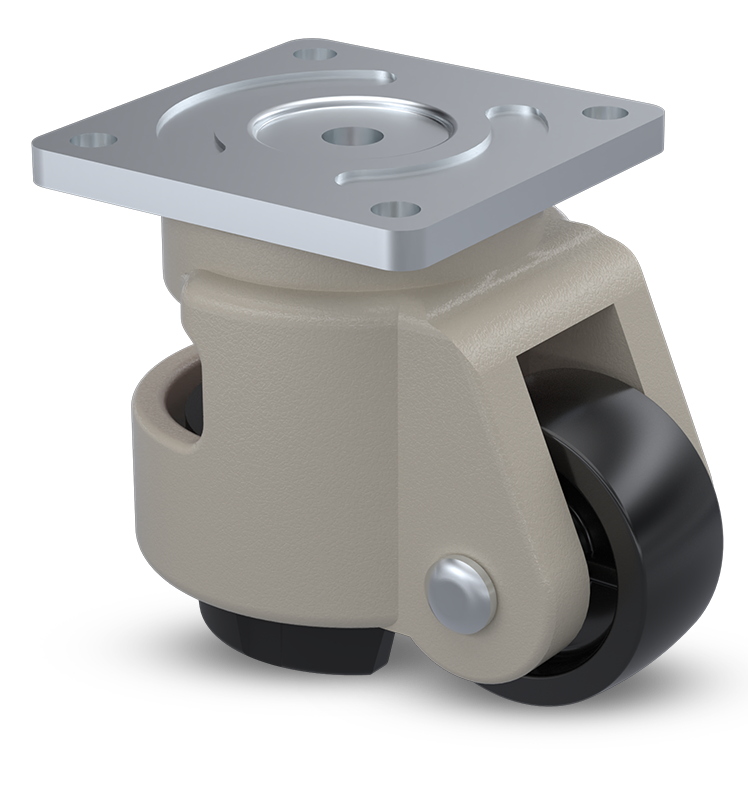
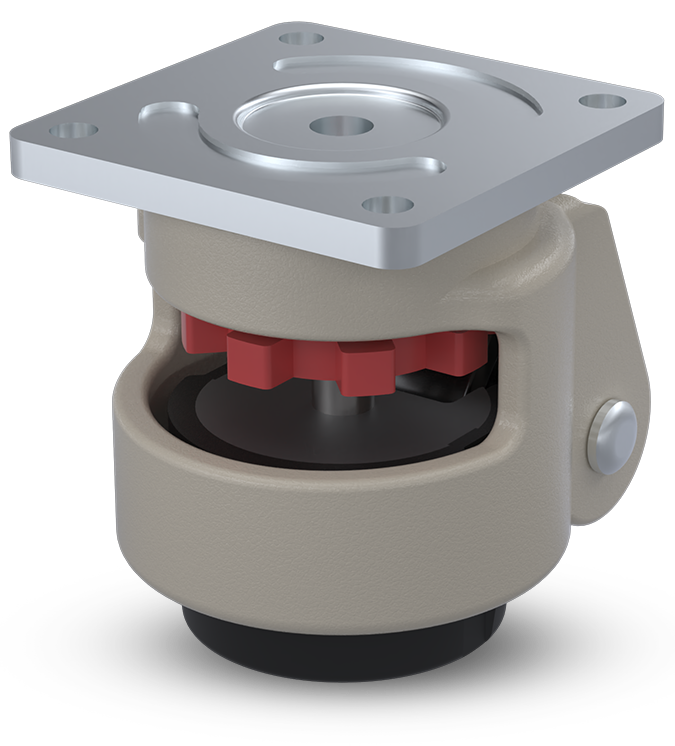
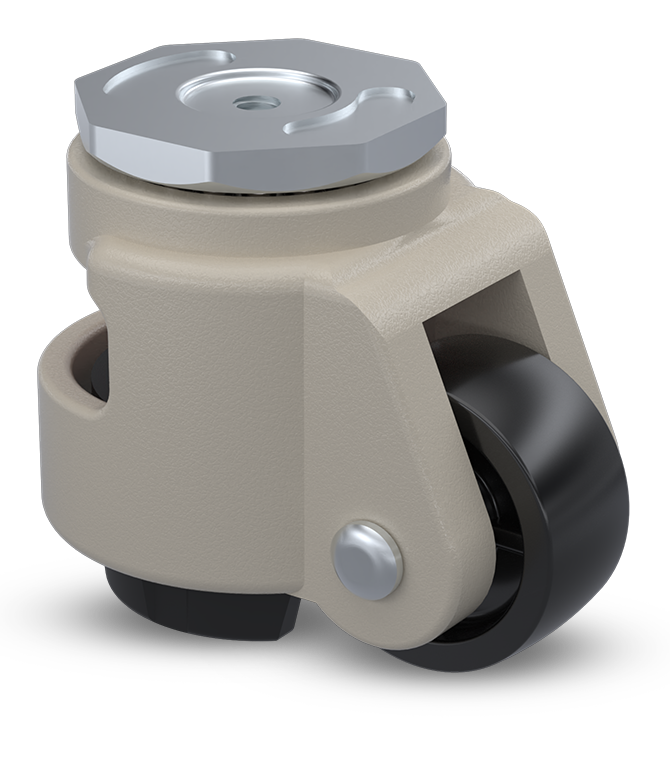
Precision equipment must often be moved from space to space but be perfectly level when stationary. Likewise, furniture may have to be moved to areas with uneven floors. In both instances and others like them, our LL Series Levelling Casters are the perfect solution.

With a capacity of 880 lbs, this die-cast aluminum caster is strong enough to accommodate heavy equipment and has the maneuverability for lighter machinery and furniture. It is designed to allow easy movement of equipment or furniture. It provides the capability to adjust the height and stabilize the item on uneven surfaces, ensuring it is perfectly level and stationary. Once the equipment is in place, an adjustment knob in the back brings down a foot or pad, lifting the nylon wheel off the ground to prevent rolling. The foot can be raised until the unit is level.

The LL series comes with nylon wheels in your choice of four diameters and tread widths. A range of plate choices is also available. With an attractive powder-coated ivory finish, these casters are ideal for a wide range of applications, including testing and packing machines, weaving machinery, workbenches, office machines, office furniture, vending machines, printing presses, numbering equipment, computer racks, and computer equipment.

To learn more about levelling casters and whether they are the best solution for your requirements, speak to your local Algood representative or contact a member of our customer service team.


Algood is proud to manufacture its casters and wheels right here in North America. With our fully integrated manufacturing facility in Toronto, we are leaders in quality and innovation. For more information about Algood Casters, Call: 1-800-254-6633 or Email: Service@Algood.com

In uncertain times, here’s what I’m sure about

This is a time of great uncertainty. There are mixed signals from the economy. Inflation is falling while overall growth falters. Reduced interest rates drive some investment, but many companies still face new realities. War and conflict persist in Ukraine and the Middle East, each with cascading impacts. As I write this, political leadership is in flux. Believe it or not, even in the face of all that, there is much that I am sure of. I believe that North American values will remain strong, and despite lower prices elsewhere, the value of North American manufacturing will become increasingly evident. I believe there will always be opportunities for well-engineered and well-made products. Most importantly, I believe in a strong future for Algood.

For over 55 years, the Algood brand has been built on four pillars: manufacturing excellence, a design focus, innovative solutions, and putting our customers at the centre of everything we do.

As we look forward, I am certain our commitment to each one will continue, and I am excited to tell you about some ways that will happen.

I’m entirely sure about our commitment to engineering and design. During COVID, our sole focus was meeting healthcare needs; many new projects were put on hold. In the aftermath of the pandemic, we also devoted much attention to re-engineering our manufacturing equipment, acquiring new machinery and designing new production processes. Now, our R&D efforts are in overdrive. The new year will bring our most ambitious product announcement in a decade. We’ll be introducing a new series of casters designed to meet the mobility needs of today’s material handling and technology sectors.

I can confidently say that our commitment to being the next generation of Castersmiths remains strong. For us, this has always meant combining deep caster knowledge and time-honoured craftsmanship with the most current technological solutions.

We are one of the only North American caster manufacturers to maintain a robust in-house tool and die centre—and it’s busy. We are creating new dies and moulds for the new series. In addition, we are re-tooling to improve the production of existing casters and wheels.

This year, we introduced our CADLAB™, providing online engineering access to 14 casters. Unlike many competitors, we allow users to configure a caster that best meets their needs by selecting from a wide range of options, including wheels, top plates, brakes, stems, and bearings. They can then download 2D drawings or 3D models of the rendered caster for precise design implementation. By the end of the year, all our 2” diameter wheels will be fully configurable in the CADLAB™, and in the first quarter of 2025, many new series will be added.

In addition, we have continued to add new equipment and expand our use of robotics to improve the efficiency of our metal stamping and assembly divisions. The result is significantly greater productivity and output that dwarfs previous totals.

I log thousands of travel miles, meeting face-to-face with customers to ensure we meet their current needs and are prepared to meet their requirements well into the future. We are constantly innovating in small and large ways to react to and anticipate our customers’ needs.

In the face of tremendous flux in the economy and both domestic and foreign affairs, Algood represents a sea of certainty. Our steadfast commitment to our long-standing values and a future fuelled by our beliefs is firm. We are excited to offer our customers something they can always be sure of.

Caster 911: Don’t Let Your Casters Haunt You

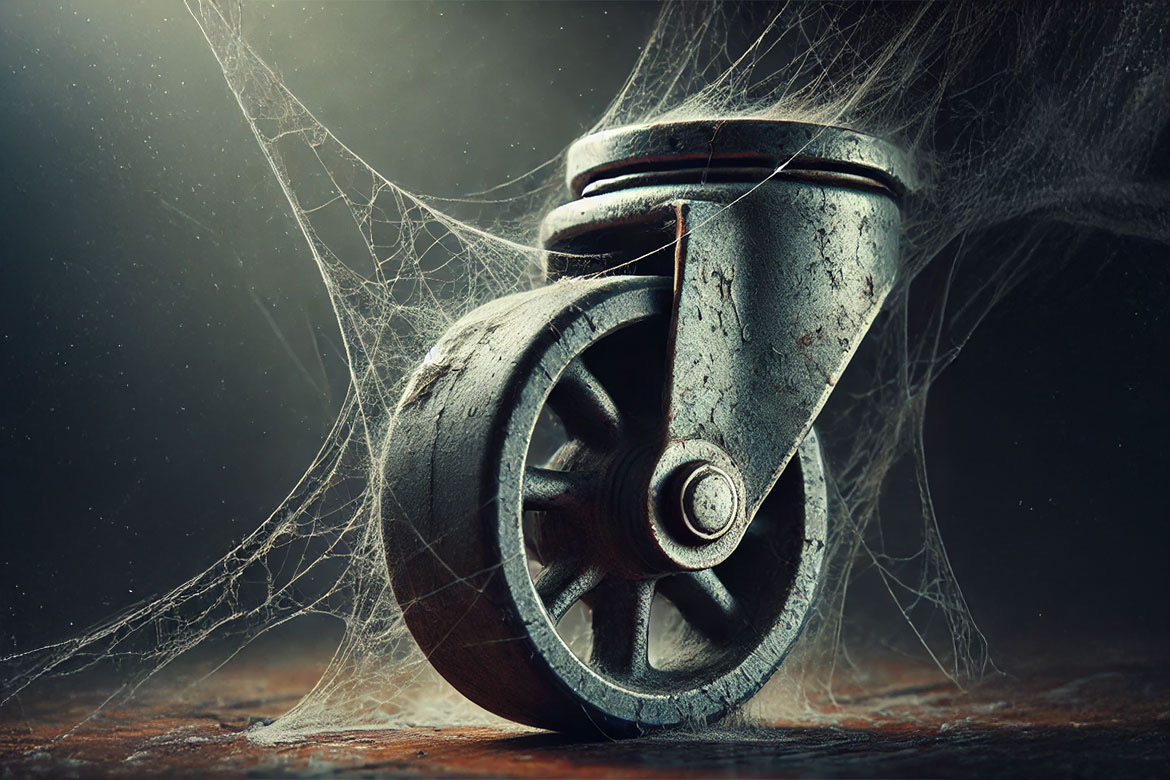
Choosing the right casters and maintaining them properly are essential steps to protect your mobility investment. However, casters often lurk in the shadows, out of sight and mind, until something starts creaking in the night. Yet, there can be some precious cargo riding on those wheels, and if one or more fails, it can cost you dearly. At the very least, failed casters are a real nightmare because you have to drop everything and give them your immediate attention. To help you recognize when the mobility monsters are at work and it’s time to call Caster 911, this issue of CasterU  highlights a few telltale signs that your casters might be on their last legs—or wheels.

1. Unsettling Noises

If your casters are screeching or rattling like a ghostly wail, they’re likely crying out for some lubrication. Casters should be lubricated twice a year to keep the wheels rolling smoothly. If strange noises persist, it might be due to a seizing wheel bearing, an incorrect bearing type, or even a worn rig/yoke. Sometimes, these eerie sounds indicate a caster misalignment that needs fixing before things get truly scary. It could be like hearing the floorboards creak when no one’s home–your first sign that something is coming back to haunt you.

2. Push/Pull Predicaments

If pushing equipment feels like hauling a trap filled with angry spirits, it’s probably rust or corrosion haunting your caster. Casters running at excessive speeds can also overheat and damage the hub, diminishing performance. If turning becomes a problem, the culprit could be brinelling—a condition where ball bearings create grooves in the raceway, limiting the caster’s swivel range. It’s like trying to run from a ghost in a nightmare–no matter how hard you push, you’re not going anywhere fast.

3. Uneven Wheel Wear or Flat Spots

Flat spots on your wheels might indicate foreign materials like thread, dirt, or even stray metal binding the wheels. Alternatively, it could mean the wheel material isn’t a good match for the temperature or conditionsit’s being used in. Think of it like rolling through a maze of spiderwebs–you keep getting tangled, and every rotation only slows you down.

4. Frame Distortion

This spine-chilling issue often arises from exceeding load capacities or experiencing excessive impact loads—like encountering a bump that magnifies the weight beyond what the casters can handle. Over time, this leads to a distorted frame that needs careful attention.

5. Top Plate Separation

If equipment goes over an unexpected obstacle or faces severe conditions, the top plate might bend and detach. This could also hint that the wrong hardware or washers were used during installation—creating a ghoulish situation no one wants to face. It’s like a vampire’s coffin lid coming off–nothing stays in place when it’s needed most.

6. Bent Stem or Kingpin

Collisions with other equipment or impacts with obstacles can leave your casters with bent stems or kingpins. Additionally, uneven loads can place excess strain on a single caster, leading to warping or contortion over time. It would be like a skeleton missing a few crucial bones–everything’s left unstable and on the verge of collapse.

If you encounter any of the signs above, it’s an emergency—your casters likely need to be replaced. However, the best way to avoid a 911 call is to use the right caster specifications from the start and maintain them properly. For expert advice to keep your mobility nightmares at bay, reach out to your local Algood sales representative or a member of our customer support team.

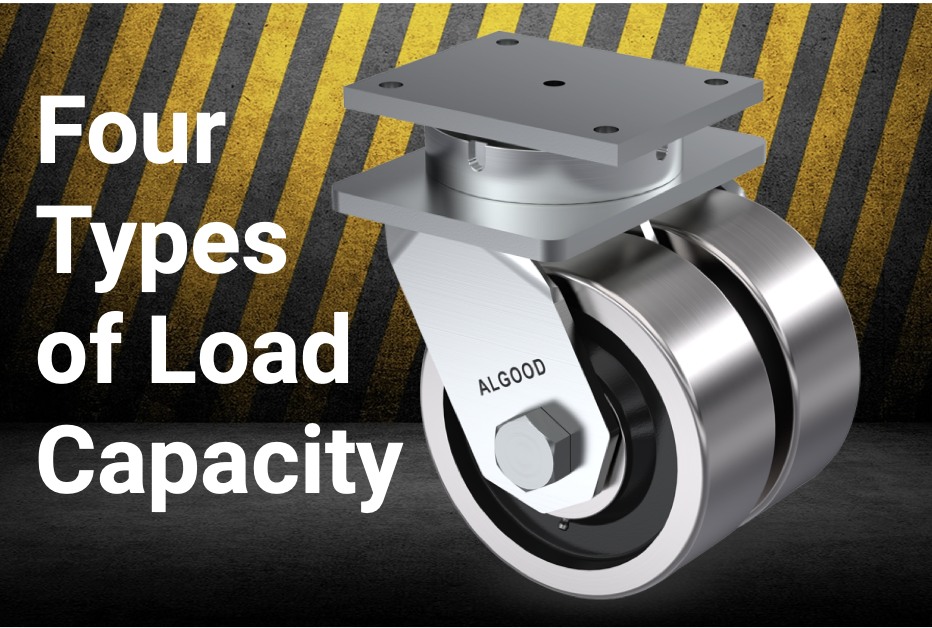
Four Types of Load Capacity

When selecting the right caster for equipment, it’s best practice to use capacity as measured in weight ratings as a key factor. However, load capacity is influenced by various dynamics, including how and where the caster will be used. In this edition of CasterU, we’ll break down the four primary types of load capacity—static load, dynamic load, side load, and impact load. Ultimately, it will help you determine what to consider when choosing casters for your application.

1. STATIC LOAD CAPACITY

Static load capacity refers to the maximum weight a caster can support when the equipment is stationary. This is the simplest type of load to calculate, as it only considers the weight exerted on the caster at rest.

How It’s Measured
Static load capacity is determined by placing the equipment on the caster without any movement. It’s often measured using this formula:

C = (E + P) / (N-1), where:
E = Dead weight of the equipment 
P = Payload 
N = Number of casters or wheels

You’ll notice that the number of casters has been reduced by one. That’s because equipment is often used on uneven surfaces, and the load is not equally distributed to all of the casters or wheels at the same time. Calculating the static load capacity based on one less wheel is advisable to avoid a catastrophic failure if one caster loses contact for any unforeseen reason.

When is It Important
Static load is crucial when the equipment is designed to remain in place for long periods, such as server racks, tool boxes, shelving units, display stands, or furniture.

2. DYNAMIC LOAD CAPACITY

Dynamic load capacity is the maximum weight a caster can support while the equipment is moving. For all practical purposes, casters are always rated and designed based on dynamic load capacity. That will always be less than the static load capacity because of the many stresses movement places on the caster, including temperature, deviation in floor surfaces, obstacles, speed, evenness of load distribution, and changes in direction.

How It’s Measured
The dynamic load capacity of a caster is established by validation testing using factors such as speed, maximum obstacle height, floor surface condition, rest/run time and wheel size. Casters must complete the dynamic test without any functional impairment. As with static load, dynamic load is calculated based on one less wheel. It is very important to consider the most extreme possible conditions of an application so that the required dynamic load is not underestimated.

When is It Important
This is a key consideration for almost all caster applications including carts, mobile storage units, hospital beds or wherever frequent movement is involved. A caster with inadequate dynamic load capacity can wear down quickly, reduce performance, and increase maintenance costs.

3. SIDE LOAD CAPACITY

Side load capacity refers to the sideways force exerted on the caster when the body is in operation. This can happen when equipment is pushed from the side or if it makes sharp turns. It is normally a consideration for rigid casters.

How It’s Measured
Side load is tested by applying lateral force to the caster to see how much pressure it can handle before deformation. For example, in a warehouse setting, a heavy cart making sudden side turns puts immense stress on the casters, which could result in failure if the side load capacity is insufficient. Standards have been set for testing casters for testing side load capacity.

When is It Important
Side load capacity is critical for environments with tight spaces, where equipment needs to pivot or turn or withstand side impacts.

4. IMPACT LOAD CAPACITY

Impact load refers to the sudden force exerted on a caster, such as the jarring when the caster hits uneven surfaces or the shock loads when the payload gets dropped on the cart.

How It’s Measured
Impact load capacity is determined by testing the caster’s ability to absorb and withstand sudden shocks. It is measured in relation to force exerted by sudden impact. Standards have been set to test casters for vertical impact performance.

When is It Important
Impact load is an important consideration for casters used in rugged environments such as loading docks, factories, or outdoor settings.

A NOTE ABOUT TESTING
At Algood, we are committed to ensuring that each of our casters and wheels conform to the relevant load capacity ratings for specified applications. We rigorously test all our casters and wheels to ensure they fully adhere to industry benchmarks. Discover more about our testing processes.

Understanding the various types of caster load capacity—static, dynamic, side, and impact load—is key to making an informed decision when choosing casters for your equipment. Each of these factors plays a unique role in how well your caster will perform and last in different environments. By considering each of these you will save you time, money, and the hassle of frequent replacements or maintenance.

To discuss your load requirements or if you have any related questions, feel free to contact your Algood representative or a member of our customer service team.

Product Spotlight: Forged Steel Caster Series

Heavy Duty Forged Steel: Casters for Durability

6900 Series: 6906-A46H-SS-RB [Zinc Finish]
6900 Series

These four heavy-duty caster series feature a unique integral kingpin design. The kingpin and the top plate are cast together as one piece from AISI 1045 forged steel, creating exceptional strength and durability.

All four of these casters are manufactured with two double-deep grooved raceways – a 7/16” or 1” upper ball race with a tapered roller thrust bearing. The four well-built forged steel casters have specs that increase with the size of each individual series.

7100 Series: S7108-A46J-UR-RB [Zinc Finish]
7100 Series

Each of the series comes with a variety of wheels. The 6900 Series has over two dozen wheel choices. While the 7100 and 7200 have fewer choices, they are also available with our Envirothane™ and RollX™ wheels. The 7500 series can be paired with ten of our strongest 2.5” tread width wheels, including our Envirothane HD™.

7200 Series: S7208-A53J-MR-RB [Zinc Finish]
7200 Series

Other options are a variety of brakes, including a thumb screw, a universal wheel, a four-position lock on the 7100 and a PolyCam brake on the 7500 series. There are also many bearing choices for each series.
 
These heavy-duty casters are perfect for abusive conditions and can be used for industrial platforms, garbage & cargo containers, factory use, dolly carts, waste bins, heavy material handling and all other hard-working industrial functions.

7500 Series: S7506-A53J-LVW-RB [Zinc Finish]
7500 Series

If you are looking for uniquely well-built casters with high capacities and extended longevity, learn more about our forged steel series by contacting your local Algood representative or a member of our customer service team.


Algood is proud to manufacture its casters and wheels right here in North America. With our fully integrated manufacturing facility in Toronto, we are leaders in quality and innovation. For more information about Algood Casters, Call: 1-800-254-6633 or Email: Service@Algood.com

Caster University: Caster Electro Plating Process Explained

Caster Electroplating Explained

Electroplating is a key component of the caster manufacturing process. In this issue of CasterU, we provide you with everything you need to know about plating. 

Caster components are plated for two reasons. First, plating protects parts from corrosion. In fact, parts that are plated corrode 100 times slower than those that are untreated. Plating also enhances the appearance of parts, which is particularly important for furniture and retail fixtures.

Zinc plating is the most common coating available. It is also the most economical and requires the shortest lead times. Nickel, chrome and antique finishes are used to meet visual requirements. In this primer, we focus on zinc.

Based on the type of electroplating, there are many possible steps in the plating process. Here is a typical zinc plating process:

Soak & Cleaning — For the electroplating process to be most successful, all components must be thoroughly cleaned. Oil residue from stamping and chemicals from heat treatment processes prevent the adhesion of zinc plating and cause flaking. Parts are immersed in different acid and/or alkaline baths as part of electro-cleaning processes, which remove residue, debris, and scales at a micro level.

Zinc Plating Bath — Components are immersed in a solution that includes zinc and other chemicals. The length of time and other parameters of the solution determine the thickness of the zinc coating. At Algood, our standard coating thickness is eight microns, between 0.0003 and 0.0005 inches. The other chemicals in the solution add protection to the zinc coating and can enhance its appearance.

Dipping in the zinc solution can be done using a tumbling process where many small parts like nuts and washers are placed in a barrel and plated at the same time. That process isn’t suitable for bigger parts because fewer parts can fit economically in the barrel, and it would also result in dinging or denting. The alternative is a rack plating process in which parts are suspended through fixtures onto racks, and the complete rack with parts is dipped in the plating solution.

Rinsing & Seal Application — Components are rinsed thoroughly and dried, and often, an additional sealing solution is applied for added protection against rust. 

Corrosion protection testing is done by placing parts in a salt spray test chamber and measuring the number of hours until rust appears. Actually, there are two types of rust that are considered. The first to appear is white rust, which results when the zinc coating is oxidized. Once that coating has deteriorated, the metal itself oxidizes, and red rust appears.
 
There are options available to enhance zinc plating. Components can be immersed in the zinc solution for longer to add thickness to the coating. Additional chemicals can be added to provide enhanced protection to the plating. This is often done for casters to be used in the computer industry, where any flaking could contaminate the whole environment.

Environmental standards are extremely critical and all Algood’s plating is ROHS compliant, meaning that no hazardous chemicals are used.

Of course, your Algood sales representative or a member of our customer service team would be pleased to talk to you about the right plating to meet your requirements.

Product Spotlight: 5000 Series

5000 Series: A 450 lb. Caster with a Ton of Options

5000 Series: S5053-A27D-HTPH [Zinc Finish]

Our 5000 Series may be the most versatile casters we make. They come with an incredible array of options, including plates, stems, brakes, wheels and finishes. In addition, these casters can be configured for just about any application.

With a capacity of 450 lbs., the 5000 Series can handle an overall equipment load of more than 1,800 lbs. It comes in 3”, 4”, 5”, and 6” diameters and can accommodate tread widths of both 1-1/4” and 1-1/2”. At least six different plate options are available, and it also comes as a bolt-hole. A wide range of stem choices includes round, threaded, both round and square expandable, and metric sizes.

5000 Series: S5053-A27D-PLY-PB-TG-iLK [Zinc]

The 5000 series casters can be produced with over a dozen wheel options including our Envirothane™ and ProTech™ as well as the Lava™ for high-temp applications. Also, you can get it with a double lock brake (DLB), top lock brake (TLB) or our trademarked iLock™ precision directional and wheel lock brake. There are numerous bearing choices and the caster can be finished in black (flat, gloss, ionic), brass, chrome, yellow chromate or the standard zinc finish. Thread guards are also available.

These casters are manufactured in our fully integrated facility in Toronto. That means you get remarkable lead times, delivery dates you can depend on and guaranteed North American quality backed by our 3-year No-Excuse Warranty.

NSF Approved

Adding to its versatility, the 5000 Series is NSF-approved, making it perfect for healthcare, pharmaceutical, food processing, high-tech, and other clean environments. These casters are moisture-resistant and maintenance-free. They can be used in a wide variety of applications, including mobile warehousing equipment, housekeeping and linen carts, material handling equipment, bakery equipment, and store fixtures.

If you want to take advantage of the versatility of the 5000 Series, you can contact your local Algood representative or a member of our customer service team.


Algood is proud to manufacture its casters and wheels right here in North America. With our fully integrated manufacturing facility in Toronto, we are leaders in quality and innovation. For more information about Algood Casters, Call: 1-800-254-6633 or Email: Service@Algood.com

1 (800) 254-6633
service@algood.com

Algood Casters has manufactured, designed and developed industrial and specialty casters, brakes and wheels since 1969, in capacities from 25 to 65,000 lbs.